
Consequential Confessions Now Calls for Urgent Accountability for Atrocity Crimes in Southern Cameroons
Consequential Confessions Now Calls for Urgent Accountability for Atrocity Crimes in Southern Cameroons
Mr. Tchiroma claims to apologize for past crimes and requests forgiveness. However, many
individuals have already made significant sacrifices in the struggle for justice. Some have faced
indictments, been killed or imprisoned, others have betrayed the cause, but these actions, though
notable, remain secondary to the central struggle for freedom and accountability for crimes. In
fact, under international law, Mr. Tchiroma has become chief witness to hold perpetrators of the
10-year crime spree accountable should he choose to indeed show remorse. Mr. Tchiroma’s
apologies, whether public or private, should be heard by every security and peace organization.
Mr. Tchiroma asserts that he was misled, yet his role as a government spokesperson was pivotal.
Even now, civilian and military commanders under the guise of “Sur le haute instructions” convene
secret security meetings to safeguard elections. Let’s consider how these safeguards would
manifest in Biya’s “NOSO” currently in a state of war? Can credible elections be conducted under
these conditions? Let persons who may be engaged in attempting to whitewash the enormity of
the crimes committed against Southern Cameroons for political expediency be informed that there
are two recent and historic events that have shaped the Southern Cameroons cause: (1) President
Biya’s consequential Paris speech during which he also admits wrongs have been done to the
people of Southern Cameroons and (2) Mr. Biya’s chief propagandist and minister apologies and
the refusal of citizens to sing the national anthem in Bamenda during his militarized campaign
appearance—both acts of defiance and repudiation signify a people not easily acquiescent. For the
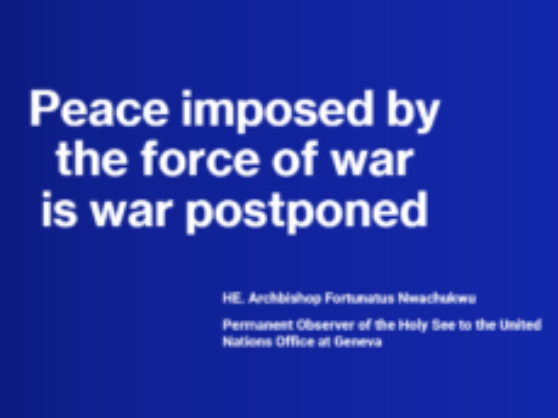
record, we should hold firm that peace can only be peace if peace is done right to quote the
Venerable Tala.
Mr. Tchiroma’s plea forgiveness is wholly insufficient except in the eyes of those willing to pray
their problems into submission. The crimes of the regime he dutifully served—annexation,
resource pillage, and war—cannot be washed away by mere apologies. Tchiroma’s tenure as
spokesperson makes him a key witness, one who should be brought before the International
Criminal Court to testify. Throughout history, spokespersons like Goebbels played crucial roles in
enabling atrocities; Goebbels was tried and convicted for his part in the Holocaust, yet he never
apologized. Tchiroma’s hopes for political gain should not overshadow the need for justice. The
international community must take note of these admissions, such as those concerning the Ngarbuh
massacres, and recognize the weight of responsibility that lies with the regime’s leaders even as
they attempt to shed their stripes for sheep’s clothing.
Ultimately, any credible leadership in SC must use this moment to amplify the call for justice and
accountability for victims, not absolution. Forgiveness is always entirely a personal journey;
justice, a collective undertaking; and peace its by-product. The crimes committed are too severe
to be mitigated by claims of duress or legal maneuvering. What’s needed is not acquiescence but
a steadfast demand for accountability. The refusal of citizens to sing the national anthem is a clear
rejection of the current system—a stand against further injustice.
Advocacy Network for Justice and Peace (ANJP)